
Planning a children’s birthday party involves more than simply choosing a venue and sending invitations. One of the biggest challenges for parents is ensuring that young guests remain engaged from the moment they arrive until the end of the celebration.
Children can quickly lose interest if there are long periods without activities, which is why successful parties often include a mixture of games, entertainment and opportunities for everyone to get involved.
Start with a Clear Structure
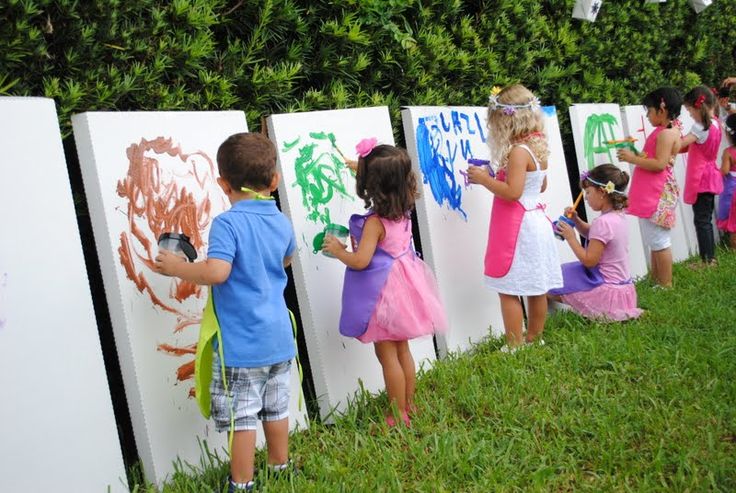
A well-organised party tends to run more smoothly than one that relies on spontaneous activities. Having a rough schedule can help maintain momentum throughout the event.
Many parents find it helpful to break the celebration into several sections, such as:
- Welcome activities
- Group games
- Entertainment
- Food and refreshments
- Cake ceremony
- Final activities before collection
This structure keeps children engaged while preventing the day from feeling rushed.
Choose Activities That Encourage Participation
Children generally enjoy activities where they can actively take part rather than simply watch. Games, challenges and interactive entertainment can help ensure everyone feels included.
When selecting activities, it is worth considering the age range of the guests. Younger children may enjoy simple games and imaginative play, while older children often appreciate more energetic activities that allow them to socialise and work together.
The most successful parties usually offer a balance between excitement and opportunities for children to relax and recharge.
Create an Energetic Atmosphere
The overall atmosphere of a party can have a significant impact on how much children enjoy themselves. Music, decorations and themed activities all contribute to the experience.
For children who enjoy dancing and active games, some parents choose disco-themed birthday parties that combine music, movement and interactive entertainment. These types of celebrations can encourage participation from a wide range of age groups while helping to create a lively environment.
Whatever theme is chosen, ensuring children feel involved is often more important than having elaborate decorations or expensive extras.
Avoid Long Periods of Waiting
One of the most common reasons children become restless at parties is downtime. Long gaps between activities can lead to boredom and make it harder to regain everyone’s attention.
Having a few backup games or simple activities available can help keep things moving if plans change unexpectedly. Even short interactive games can make a big difference in maintaining enthusiasm.
Flexibility is often key, particularly when dealing with younger children whose energy levels and interests can change quickly.
Consider the Interests of the Birthday Child
While it is important to keep guests entertained, the celebration should ultimately reflect the interests of the birthday child. Choosing a theme or activity that matches their personality can make the day feel much more special.
Some children enjoy sports and active games, while others prefer creative activities, themed adventures or performance-based entertainment. Taking their preferences into account can help create a more memorable experience for everyone involved.
Focus on Creating Positive Memories
At the end of the day, children rarely remember every decoration or party favour. What they often remember are the moments that made them laugh, participate and enjoy themselves alongside friends.
By focusing on engagement, participation and age-appropriate entertainment, parents can create a celebration that feels enjoyable for guests while remaining manageable to organise.
With a little planning and the right mix of activities, a birthday party can become an occasion that children continue talking about long after the final slice of cake has been enjoyed.