Category: Entertainment

The Curious Kid Formula: Simple Ways to Make Learning Feel Exciting AgainThe Curious Kid Formula: Simple Ways to Make Learning Feel Exciting Again

Some children are naturally curious about everything. They ask a hundred questions before breakfast, dismantle toys just to see how they work, and somehow turn ordinary supermarket trips into full investigative missions.

Others? Not so much.

And honestly, that’s usually not because they dislike learning. More often, they dislike the way learning is presented to them. There’s a huge difference between memorising facts from a worksheet and discovering something through excitement, experimentation, or play.

I’ve noticed over the years that the children who become genuinely interested in learning often aren’t the ones being pushed the hardest. They’re the ones being exposed to interesting experiences.

Curiosity Starts With Experiences, Not Pressure

One mistake adults sometimes make is trying to force enthusiasm. The harder the push, the quicker many children switch off.

Curiosity tends to appear naturally when kids stumble across something unexpected. A strange science experiment. A cool fact about space. A magic trick that secretly demonstrates physics. Even something simple like growing plants in the garden can suddenly spark endless questions.

I remember one child at a family event becoming completely obsessed with volcanoes after seeing a baking soda eruption experiment. Within an hour, he was asking questions about earthquakes, lava, mountains, and planets. That chain reaction happened entirely because someone made learning feel entertaining first.

That’s usually the secret.

Hands-On Activities Work Better Than Endless Explanations

Children learn faster when they participate instead of simply listening. It’s why practical activities often outperform traditional teaching methods for younger kids.

Cooking teaches maths and measurements. Building dens encourages creativity and problem-solving. Treasure hunts develop observation skills. Even board games can help with memory, strategy, and communication.

The key is making children feel involved rather than instructed.

This is also why interactive experiences are becoming more popular with parents looking for creative educational ideas. Instead of hosting a standard birthday event, some families now hire children’s science entertainers who combine experiments, demonstrations, humour, and audience participation into something kids actually get excited about.

And from what I’ve seen, children tend to remember those experiences for years afterward.

Let Kids Explore Their Weird Interests

One thing I genuinely think adults underestimate is how powerful niche interests can become.

A child obsessed with dinosaurs might eventually become fascinated with history or biology. A kid who loves space could suddenly develop an interest in maths without even realising it. Sometimes the “random phase” adults dismiss becomes the doorway into long-term learning.

The important part is encouraging exploration instead of shutting it down because it seems temporary or unusual.

Children are naturally drawn toward discovery when given freedom to follow their interests.

Learning Doesn’t Always Need Screens

Technology definitely has its place. There are brilliant educational apps, videos, and interactive games available now. But not every learning experience needs to happen through a tablet.

Some of the most effective activities are still the simplest ones.

Messy experiments in the kitchen. Outdoor scavenger hunts. Storytelling games. DIY craft projects. Watching insects in the garden. Building cardboard cities in the living room.

Children often engage more deeply when they can physically interact with what they’re learning.

Excitement Creates Long-Term Motivation

The biggest shift happens when children stop viewing learning as “work” and start associating it with excitement.

That doesn’t mean every activity has to be wildly entertaining every second. But moments of surprise, humour, discovery, or creativity make a massive difference in how children absorb information.

Most adults can still remember a teacher, activity, or experience that made them suddenly care about a subject they previously ignored.

For kids, sometimes all it takes is one exciting moment to ignite that same spark of curiosity.

Screen-Free Afternoon Ideas For Younger ChildrenScreen-Free Afternoon Ideas For Younger Children

Keeping little ones entertained without screens is easier than it sounds. With a handful of simple activities, a clear routine and a few props you probably already have, an afternoon can feel fresh, fun and surprisingly peaceful. The ideas below are UK-friendly and work in small flats or larger homes.

Create a themed treasure hunt

Hide picture clues or simple objects around the house and garden and give children a small map or a list of drawings to find. Make the hunt short (6–8 stops) so it stays exciting. Use a tiny prize at the end — a sticker, a homemade certificate, or a little craft they can personalise. Change themes each week (nature, colours, animals) to keep it new.

Build a cosy reading den

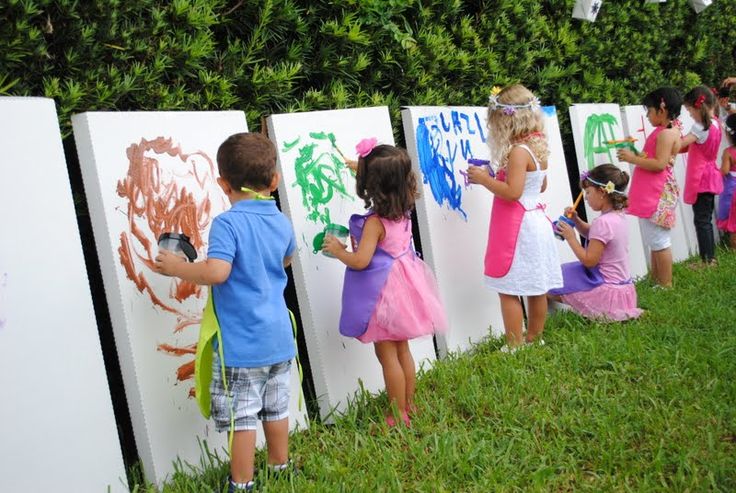
Children Party

Turn a corner into a cosy nook with a sheet over chairs, cushions and a torch. Rotate a small pile of favourite books and include puppets or soft toys for retelling stories. For pre-readers, use picture-only storytelling and ask them to point out colours or animals to keep engagement high.

Mini sensory stations for quick wins

Set up three small sensory tubs on a tray: dried pasta with scoops, coloured water with safe pouring cups, and a tactile box with fabric scraps and safe household items. Limit time at each station to 10–15 minutes to keep attention focused and avoid mess fatigue. Sensory play helps fine motor skills and is calming for many children.

Simple, hands-on crafts that don’t need perfect prep

Use recycled cardboard, paper plates, sticker sheets and washable glue to make masks, puppets or simple crowns. For toddlers, pre-cut shapes and big stickers reduce frustration. Keep an “easy craft box” ready so crafts can start without a lot of setup.

Quiet music and movement breaks

Play a short playlist of nursery classics and do movement games: Freeze Dance, copy-the-movement, or gentle animal walks. If you want a more structured music session, consider hiring a short kids disco party set as an occasional headline treat — a 20–30 minute disco lifts energy and gives everyone a memorable peak without screen time.

Mini baking session that doubles as life skills

Simple recipes—decorate biscuits, make mini pizzas or assemble fruit kebabs—are great for learning and appetite. Give each child one small task and keep tools safe and appropriate. Pre-measure ingredients to keep prep quick and tidy.

Puppet shows and simple theatre

Use socks or paper bags to make puppet characters and let kids create a short show. Give them a 10-minute rehearsal and then invite parents or siblings for a mini performance. This encourages language and confidence in a low-pressure way.

Nature scavenger basket for short outings

If the weather allows, take a short walk to collect leaves, stones and seedpods. Back home, use findings for collage art or a nature jar display. A quick walk can reset moods and deliver fresh air without planning a full day out.

Calm-down corner and wind-down routine

End the afternoon with a predictable calm-down: a warm drink, quiet story, and a simple breathing game. A two-minute “balloon belly” breathing exercise helps children transition from high energy to rest.

Practical tips for success

Keep sessions short and varied, have a small timer to manage rotations, and prep an emergency craft or sticker pack for meltdowns. Label any snacks and check allergies in advance. Rotate activities across the week so each child sees something new every day.

A screen-free afternoon can be rich with learning, play and connection. With small stations, a headline moment like a short disco, and a gentle wind-down, you’ll fill the day with smiles and memories rather than screens.

Balancing Screen Time: Why Hands-On Learning Still MattersBalancing Screen Time: Why Hands-On Learning Still Matters

In an era dominated by tablets and streaming videos, parents face the challenge of balancing digital content with meaningful, hands-on experiences. While educational apps and YouTube tutorials have their place, nothing replaces the thrill of real-world discovery. Whether it’s a quick kitchen experiment or a large-scale celebration, combining both approaches keeps learning fresh and engaging. When it’s time to level up—perhaps for a birthday or school event—booking a science party entertainer near me can bring that immersive, tactile magic right to your door.

The Digital Divide—Pros and Cons of Screen-Based Learning
 Interactive apps and online platforms offer easy access to STEM concepts. Coding games teach logic, virtual labs demonstrate chemistry, and AR stargazing apps transform your backyard into a planetarium. However, excessive screen time can lead to reduced physical activity, shorter attention spans, and missed opportunities for sensory exploration. Screens can’t simulate the feel of bubbling slime or the rush of a fizzy volcano eruption—experiences that forge strong memory connections.

Kids’ Science Party

Why Hands-On Experiments Ignite Lasting Curiosity
 When children mix, measure, and observe real reactions, abstract ideas become concrete. Conducting a simple vinegar-and-baking-soda volcano or crafting a DIY lava lamp teaches the scientific method: hypothesise, experiment, observe results, and revise hypotheses. This cycle of trial and error builds critical-thinking skills and resilience, while engaging multiple senses—sight, touch, sound, even smell—creating rich learning hooks that screens alone can’t provide.

Everyday Low-Budget Science Activities
 You don’t need a lab coat or expensive kit to spark wonder at home. Try these quick projects:

  • Color-Changing Milk: Pour whole milk into a dish, drop in food coloring, then touch the surface with a soap-dipped swab to watch colours swirl.
  • Balloon Rockets: Thread string through a straw, tape an inflated (untied) balloon to the straw, and release to demonstrate Newton’s third law.
  • Walking Water Rainbows: Bridge cups of coloured water with paper towels and observe capillary action as the colours mix in empty cups.

These experiments use common household items, making spontaneous exploration both easy and affordable.

When to Call in a Professional Entertainer
 For milestone events—birthdays, school fairs, or community gatherings—consider hiring a science party entertainer near me. These specialists bring all materials, expert guidance, and theatrical flair needed to captivate a group of young scientists. Picture dry-ice fog swirling around erupting volcano models, or guided balloon-rocket races under the supervision of a professional. By managing safety protocols and tailoring demonstrations to different age groups, these entertainers free parents to relax and enjoy the celebration.

Integrating Digital and Hands-On Approaches
 A balanced STEM program leverages both screens and experiments. Begin with a short animated video explaining a principle—like density or magnetism—then transition to hands-on stations where children apply what they’ve learned. Conclude with a quick interactive quiz on a tablet or a digital storyboard of their findings. This blended method caters to diverse learning styles and maintains high engagement.

Tips for Sustainable Engagement

  • Rotate Activities: Balance screen-based tasks with tactile experiments to avoid overstimulation.
  • Ask Open-Ended Questions: Prompt deeper thinking by asking, “What do you predict will happen if…?”
  • Document Discoveries: Maintain a family science journal with photos, drawings, and notes to track progress and celebrate successes.

By thoughtfully combining digital resources with real-world exploration—and enlisting a science party entertainer near me for special events—you’ll cultivate a lifelong passion for discovery. Children learn that science isn’t confined to textbooks or screens—it’s a playful, limitless adventure.

How Early Should You Book a Limo Service For Your Event?How Early Should You Book a Limo Service For Your Event?

The best thing to do when an event needs to be organized is to delegate as many tasks as possible. Remember, two heads are better than one, and there is a pretty good chance that ten heads would be even better! Now, the problem with this approach is that you will have to assign tasks randomly. Keeping the easy stuff for yourself and having everyone else do the hard part will not be conducive to you developing a good reputation, so you need to prepare yourself for any type of task that Lady Luck sends in your general direction.

limo service

Let’s say you get assigned the task of booking a limo service. How are you supposed to get this done? The truth of the situation is that limousinecincinnati.com can handle everything pretty swiftly, so you are actually pretty privileged if this is what you have been asked to do! That said, you still need to know a few things such as how early you should book the limo service in order to guarantee its timely arrival. To answer your question, you should do this about a week in advance. This is because of the fact that limo services will require you to make a book at least seven days prior to the day of the event, so you are very obviously going to need to follow their rules!

The fact of the matter is that you can also book a couple of weeks in advanced, but this might cause unforeseen occurrences to get in your way and knock your plans out of order. Two weeks in advance is too much, but we’d say that a week’s advance notice would be just what the doctor ordered cos it’s right down the middle.